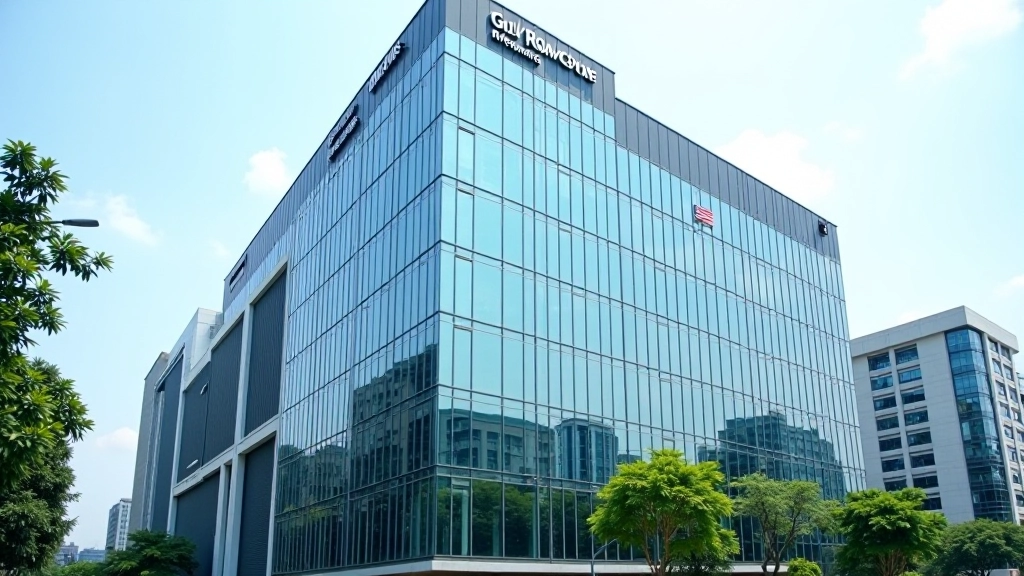

FDI Inflow Trends in Malaysia: A Five-Year Overview
Analysis of foreign direct investment patterns, sector distribution, and growth trajectories across Malaysia’s economy and major industries.
Read ArticleHow Malaysia’s strategic zones attract multinational corporations, generate employment, and strengthen regional competitiveness in the global economy.

Malaysia’s special economic zones have become crucial drivers of foreign direct investment. These strategically designated areas offer companies tangible advantages—tax breaks, streamlined regulations, and modern infrastructure. Since 2015, the country’s various zones have attracted over $85 billion in cumulative investment across manufacturing, technology, and services sectors.
The real story isn’t just about numbers though. It’s about what happens when multinational corporations set up operations here. They bring jobs, technical expertise, and supply chain networks that benefit the entire region. We’re talking about thousands of workers gaining stable employment, local companies learning new practices, and communities experiencing genuine economic growth.

The country operates multiple designated zones, each with distinct advantages and sector focus areas.
One of Malaysia’s oldest and most established zones, focusing on electronics, semiconductors, and precision engineering. It’s been operating since 1972 and currently hosts over 200 companies.
Located in Johor near Singapore, this massive development zone spans 2,217 square kilometers. It’s attracting investments in petrochemicals, refining, and specialty chemicals with over $58 billion committed.
These port-linked zones facilitate trade and logistics operations. Companies benefit from direct port access, making them ideal for export-oriented manufacturing and distribution.
Emerging as a hub for digital innovation and technology companies. This newer zone is attracting software development, digital services, and fintech firms seeking proximity to the capital.
Malaysia’s busiest port zone, handling containerized cargo and general cargo. It’s essential for companies involved in import-export and regional distribution networks.
Eastern Malaysia’s investment corridors, focusing on resource processing, timber products, and palm oil refining. These zones leverage Sabah’s natural resource advantages.
Malaysia’s Investment Development Authority (MIDA) administers a comprehensive incentive system. Companies operating in designated zones can access tax holidays ranging from 5 to 10 years, depending on sector and investment size. That’s significant—imagine reducing your corporate tax burden completely for a decade.
Beyond tax relief, there’s capital allowance on plant and machinery, import duty exemptions on raw materials, and accelerated depreciation benefits. What’s more, companies can bring in skilled foreign workers more easily, helping them establish operations without delays. The framework isn’t one-size-fits-all either—MIDA tailors incentives based on whether you’re in high-tech manufacturing, creative industries, or logistics.
We’ve seen manufacturers use these incentives to scale operations dramatically. A semiconductor company entering a Penang zone in 2019 took advantage of the full tax holiday, allowing them to reinvest profits into R&D facilities and training programs. By 2023, they’d hired 340 local workers and partnered with three Malaysian suppliers.


The zones directly employ approximately 850,000 workers across all sectors. That’s substantial—nearly 6% of Malaysia’s total workforce. These aren’t just assembly line positions either. Many roles involve technical expertise, quality control, and management responsibilities offering career progression.
The multiplier effect extends far beyond zone boundaries. When a multinational establishes operations, it creates demand for local suppliers, logistics providers, and service companies. A petrochemical facility in Iskandar doesn’t just hire directly—it contracts with dozens of supporting businesses. Local workers gain exposure to international standards and practices, making them more competitive in the broader job market.
Tax contributions matter too. In 2024 alone, zone-based companies contributed RM 18.7 billion in direct taxes. These revenues fund infrastructure improvements, education, and healthcare across Malaysia. Communities near major zones have seen investments in transportation networks, educational institutions, and healthcare facilities—developments that benefit everyone, not just zone workers.
Malaysia’s zones compete with Thailand, Vietnam, and Indonesia for foreign investment. Here’s why companies still choose Malaysia.
Established democratic institutions and transparent legal frameworks provide investor confidence that’s harder to find in some competing countries.
Positioned between India and China on major shipping routes. Iskandar Malaysia sits just across from Singapore, offering access to one of the world’s largest financial centers.
Malaysia has invested heavily in technical education. Engineers, technicians, and skilled workers are available at competitive costs compared to developed nations.
Well-maintained ports, airports, and transportation networks. Companies don’t waste time on logistics—goods move efficiently to markets across Southeast Asia.
Companies like Intel, Penang Refinery, and Samsung Electronics operate substantial facilities within Malaysia’s zones. Intel’s operations in Penang alone represent decades of commitment—they’ve expanded multiple times, indicating satisfaction with the operating environment and talent pool.
What’s interesting is how multinationals adapt. They’re not just manufacturing products designed elsewhere. Many have established regional headquarters, R&D centers, and supply chain management offices in Malaysia. This represents confidence that the country isn’t just a low-cost assembly destination—it’s a strategic hub for regional operations.
The presence of these companies creates a virtuous cycle. When Samsung opens a semiconductor facility, suppliers want to locate nearby. Logistics companies expand. Real estate develops. Local companies gain confidence to invest in upgrading capabilities. Over time, entire ecosystems form around these anchor industries.

Malaysia’s zones aren’t without challenges. Regional competition is intensifying—Vietnam offers lower labor costs, Thailand has expanding automotive clusters, and Indonesia’s manufacturing base is growing. Malaysia must compete on factors beyond cost.
While major zones have good broadband, some areas still lack the high-speed connectivity that advanced manufacturing and digital services require. Expanding fiber optic networks to all zones remains a work in progress.
Industrial activity generates waste and emissions. Communities near zones have raised concerns about water quality and air pollution. Balancing growth with sustainability requires ongoing investment in pollution control.
As zones shift toward higher-value activities—semiconductor design, advanced robotics, artificial intelligence—there’s a gap between available skills and market needs. Universities are adapting, but the transition takes time.
Recent global disruptions showed that concentration of production in specific regions carries risk. Companies are increasingly interested in diversifying, which could spread investment more thinly.
Malaysia’s special economic zones have proven effective at attracting multinational corporations and driving employment. With over 850,000 direct employees and tens of billions in investment, these zones represent a cornerstone of the country’s economic strategy. MIDA’s incentive framework—particularly tax holidays and capital allowances—remains competitive regionally.
The real success isn’t just in attracting foreign companies though. It’s in the spillover effects: local supplier networks strengthening, worker skills improving, and entire regions experiencing economic transformation. As Malaysia moves toward higher-value manufacturing and services, the zones will need to evolve. But the foundation is solid.
For policymakers, the lesson is clear: strategic investment in zones, infrastructure, and workforce development pays dividends. For companies considering Malaysia, the zones offer genuine advantages—established ecosystems, skilled workers, and government support that makes expansion manageable.
This article provides educational information about Malaysia’s special economic zones, MIDA incentive frameworks, and foreign direct investment trends. The content is based on publicly available data, government publications, and industry reports current as of March 2026.
While we’ve made efforts to ensure accuracy, economic data and incentive programs change frequently. Specific investment decisions should be based on current information from official sources. For investment inquiries, consult MIDA directly or engage with qualified investment advisors familiar with Malaysian regulations and zone-specific requirements.
This article is not investment advice, and readers shouldn’t rely solely on this content for business decisions. Regional economic conditions, exchange rates, and political factors influence investment outcomes in ways that vary by company and industry.